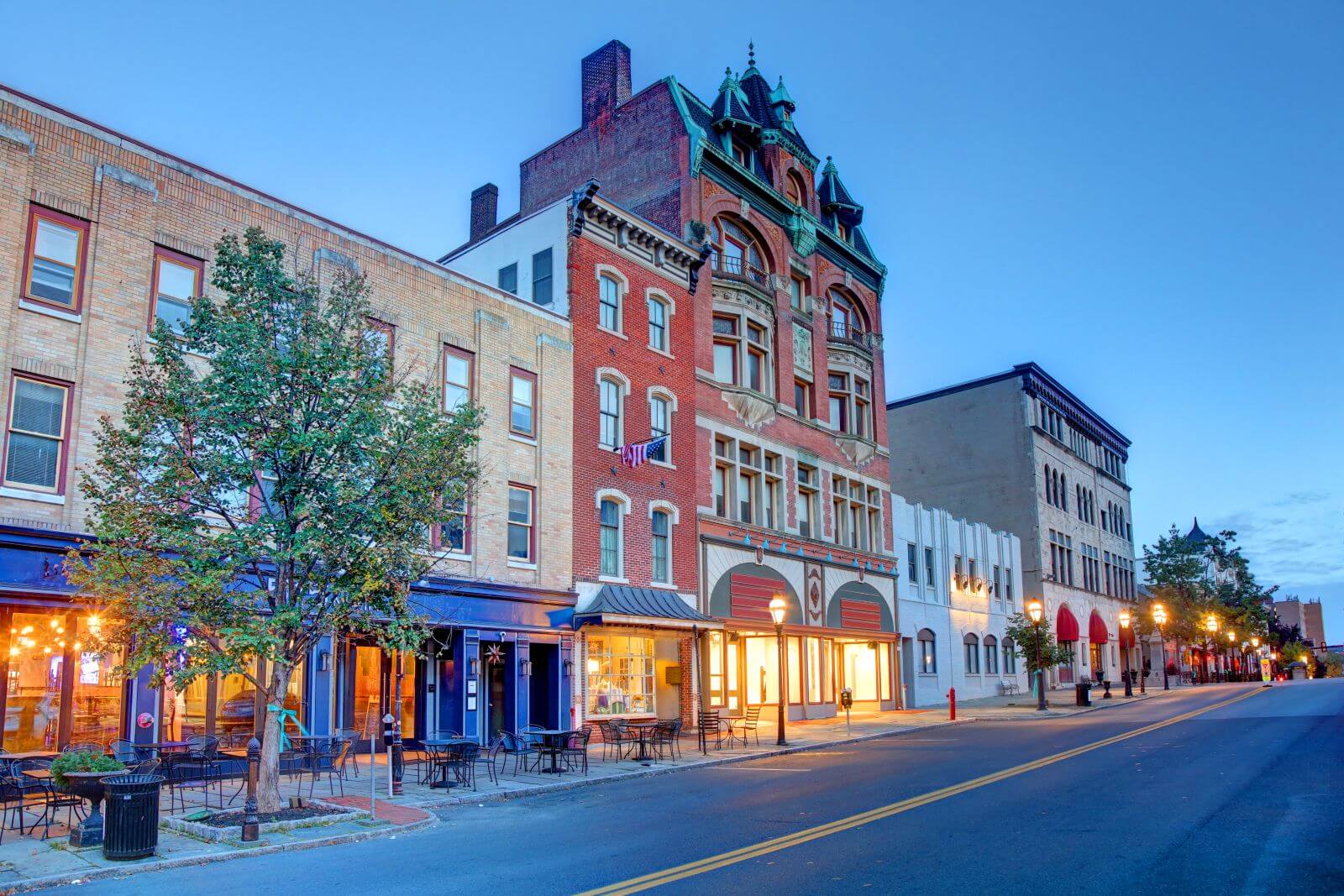
At Freedom CRE, our mission is to strategically guide and empower investors and business owners through each stage of the commercial real estate process – maximizing time, building lasting value, and aligning real estate decisions with both financial goals and long-term vision.
Today we dig into a topic we field many questions about – the state of Greater Philadelphia Retail. Headlines show historically low vacancy, many businesses struggle to find their optimal space – yet rent growth is stagnant and some assets linger. What’s the real story?
What is the state of the neighborhood mixed use/retail market?
Philadelphia’s neighborhood retail remains historically tight even as leasing cools. Metro availability sits near 5.2% (vacancy ~4.2%) with just ~0.2% of inventory under construction. Available space has inched up to ~17.7M SF, but it skews older and less efficient. YoY rent growth is roughly flat to slightly negative (~-0.7%), reflecting more deal-making via concessions and TI rather than face-rate jumps. Suburban nodes remain the leanest, with select corridors effectively picked over.
What’s driving this state of play?
- Supply scarcity, not demand surge. Years of minimal development mean very little modern inventory is coming to market; most vacancies are legacy bays needing capital.
- Flight to convenience. Daily-needs, food & beverage, fitness, and medical uses still prefer walkable strip and neighborhood centers with easy parking and transit.
- Small-format dominance. The bulk of transactions are 1,000–3,000 SF deals; big-box backfills exist but aren’t the core of today’s activity.
- Cost pressure. Inflation and operating costs (insurance, CAM, labor) are squeezing merchants. Landlords win occupancy not by pushing rent, but by solving total occupancy cost.
Where can owners win with a disciplined approach?
- Modernize what matters. Prioritize consumer-facing upgrades with real sales impact: storefront glass, lighting, signage bands, outdoor seating infrastructure, and ADA/access. Aim for “move-in ready” without breaking the bank on bespoke features.
- Target the durable tenant mix. Urgent care/clinic, PT/OT, dental, boutique fitness, specialty grocer, pet, and service retail (salon/spa, repair) have shown stickier revenues. Co-locate complementary uses to support higher dwell time.
- Right-size the box. Divide tired 4–8k SF inline space into 2–3k SF bays; pre-run MEP to cut downtime. In high-demand corridors, keep one demising wall “soft” for expansion.
- Concessions with a clock. Use free rent and stepped rents tied to opening milestones and cap TI with clawbacks if sales thresholds aren’t met. Protect downside; preserve headline rates.
- Parking & patio revenue opportunities. Stripe and sign small lots, add bike racks, and formalize patio/pick-up zones. A few stalls dedicated to 15-minute pick-ups can convert to higher tenant sales and faster backfilling.
What risks need to be priced in?
- Aging stock can be a capex drag. Roofs, RTUs, sprinklers, and code items can turn “cheap” space into a bigger investment; underwrite real replacement cycles (we always jump to help you with this and connect you to the right professionals – it is that important)!
- Favor operators with multi-unit experience and proven unit economics.
- Beware of Insurance/CAM creep! Pass-throughs are the new friction point; build transparency and predictable escalations into LOIs.
What is an actionable 90 day playbook for a current owner?
- Perform rent roll deep dive. Color-code by health: (A) expand, (B) renew with light TI, (C) replace. Start renewal talks 9–12 months early.
- Spec suite two bays. Deliver one white-box 1,500–2,000 SF and one plug-and-play ~2,500 SF with restroom, mop sink, and 200 amp power, for example.
- Reposition a few high-impact items: signage band, storefront/LED lighting, and striping/pick-up lanes – this is high bang for the buck!
- Broker/tenant outreach. Push pre-measured test-fits and permissive use lists to the tenant-rep community; market 60-day delivery for small-format users (we are happy to sketch this out for you).
- Finance check. If refinancing in 2026, lock a plan to stabilize older bays now (concessions + TI) so T-12 supports proceeds. Lending is still conservative and each piece can help drive approval and terms.
Investor angle
For middle-market buyers, the sweet spot is well-located neighborhood centers with below-market in-place rents and clear capital plans rather than chasing pro forma rent spikes. Underwrite flat face rents, assume lease-up via TI/concessions, and price the upside in occupancy and merchandising. Returns will come from capex-enabled NOI growth and basis discipline, not a tide of new demand.
For mixed-use with ground-floor retail, the play is activating the street while protecting upstairs income: target daily-needs and medical/service concepts in the 1–3k SF range, and design for quick turns (white-box, venting/electrical stubs, sound attenuation, trash/loading plans). These bays don’t have to win on face rent. Timely lease-up, durable operators, and low downtime drive returns, while the residential above supplies built-in foot traffic that stabilizes NOI.
Bottom line:
In Philadelphia’s neighborhood retail, scarcity and aging stock make execution the edge. Owners who deliver small, modern, easy-to-occupy bays and who structure practical deals will capture the limited pool of active tenants and protect NOI in a slow-growth environment.
By contrast, many suburban nodes are already picked-over. Vacancy is scarce and tenants move only for superior visibility, parking, and turnkey delivery. So wins come from prying demand loose, not cutting rent.